April 27, 2026
Stucco remains a popular exterior finish for many homes due to its durability, versatility, and ability to complement a wide range of architectural styles. Its textured appearance adds depth and character while also acting as a protective barrier against wind, rain, and temperature changes. Over time, however, even well-installed stucco begins to show signs of wear as it faces constant exposure to the elements. Recognizing early warning signals allows homeowners to address problems before they expand into larger structural concerns that require more extensive work.
Paying attention to subtle changes in your home's exterior can make a noticeable difference in both appearance and long-term performance. Small cracks, discoloration, or moisture-related issues may seem minor at first, but they often point to deeper concerns within the wall system. Taking action early not only helps preserve curb appeal but also prevents costly repairs down the road. Understanding the most common indicators can help homeowners decide when stucco repair becomes necessary to protect their investment.
Identifying Surface Damage Early
Cracks and bulges often serve as the first visible signs that something is wrong with stucco. Hairline cracks can appear as part of the natural curing process, but larger or spreading cracks may indicate shifting foundations or stress within the structure. Bulging areas, on the other hand, often point to trapped moisture behind the surface. When water becomes confined, it can cause the stucco to expand outward, weakening its bond and creating uneven textures that are easy to spot.
Environmental conditions play a major role in how stucco reacts over time. Temperature swings cause expansion and contraction, which can gradually lead to fractures. Wind-driven debris and heavy rain can also wear down the surface, especially in areas that experience frequent storms. These conditions accelerate deterioration, making regular inspections an important part of exterior maintenance.
Ignoring visible surface damage can affect both the look and value of a home. Cracks and distortions may signal deeper structural concerns to potential buyers, even if the damage appears minor. Addressing these issues with timely stucco repair helps maintain a clean, well-kept appearance while also preventing further deterioration that could lead to more extensive restoration work.
Recognizing Moisture-Related Issues
Water intrusion is one of the most common causes of stucco damage, and it often reveals itself through stains or streaks on exterior walls. These marks typically appear around windows, doors, and attic areas where sealing may have weakened. Even small areas of discoloration can indicate that moisture is entering the wall system, which can lead to larger problems if left unaddressed.
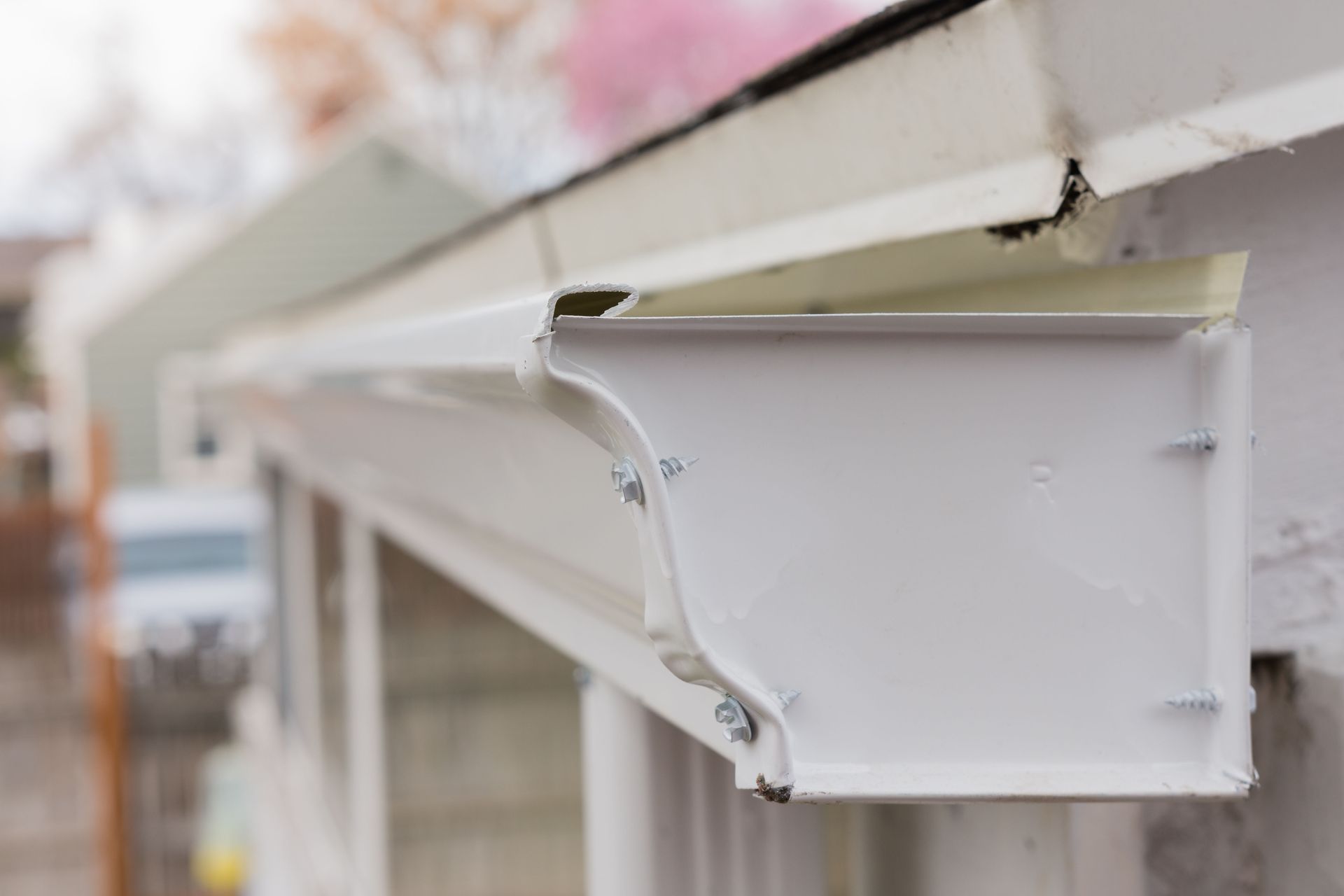
Several factors contribute to moisture penetration, including poorly sealed joints, clogged gutters, and improper drainage systems. When water is not directed away from the home effectively, it can seep into vulnerable areas and become trapped behind the stucco. Over time, this trapped moisture can lead to internal damage, including rot in wooden framing or deterioration of underlying materials.
Repairing water-related damage requires more than just fixing the visible surface. The source of the moisture must be identified and corrected to prevent recurring issues. Once the cause is addressed, stucco repair can restore the exterior while helping to protect the structure from future water exposure. Consistent maintenance and proper drainage solutions go a long way in reducing the risk of ongoing moisture problems.
Addressing Discoloration and Biological Growth
Discoloration on stucco surfaces often signals underlying issues that go beyond simple cosmetic concerns. Dark patches, green streaks, or uneven coloring may point to moisture buildup or environmental exposure. Areas that receive less sunlight tend to retain moisture longer, making them more prone to visible staining and surface changes over time.
Mold and mildew growth can develop when moisture remains present for extended periods. These organisms thrive in damp environments and can spread quickly across stucco surfaces if conditions allow. In addition to affecting the appearance of a home, mold growth can also contribute to indoor air quality concerns if it spreads into the wall system.
Cleaning and treating affected areas is an important step, but long-term solutions focus on reducing moisture exposure. Improving ventilation, trimming nearby vegetation, and applying protective coatings can help minimize the conditions that allow mold to develop.
Evaluating Structural Stability
Loose or detached sections of stucco indicate a breakdown in the bond between the material and the surface beneath it. This can often be detected by tapping on the wall and listening for hollow sounds, which suggest that the stucco is no longer firmly attached. Visible gaps, sagging areas, or sections that appear to shift slightly are also warning signs that should not be ignored.
Several factors can contribute to this type of detachment, including improper installation, low-quality materials, or prolonged exposure to moisture. Structural movement within the home, such as settling foundations, can also place stress on stucco, causing it to separate from its base. These issues often develop gradually, making regular inspections an effective way to catch them early.
Improving Energy Efficiency Through Maintenance
Stucco contributes to a home's energy performance by acting as an insulating barrier that helps regulate indoor temperatures. When the material is intact, it reduces the amount of heat transfer between the interior and exterior. However, cracks, gaps, or moisture damage can weaken this barrier, allowing air to move more freely and making it harder to maintain a consistent indoor climate.
Signs of reduced energy efficiency often include rising utility bills or uneven temperatures throughout the home. Drafts near walls or windows may also indicate that the stucco system is no longer performing as intended. Addressing these issues can improve comfort while also reducing energy consumption over time.
According to Today's Homeowner, the life expectancy of stucco typically ranges from 50 to 80 years. This long lifespan highlights the importance of proper upkeep, as regular maintenance helps the material reach its full potential. Investing in timely stucco repair not only restores the exterior but also supports better energy performance, making it a practical step for long-term savings.
Monitoring Aging and General Wear
As stucco ages, it naturally begins to show signs of wear that can affect both appearance and performance. Fading color, surface chalking, and minor erosion are common indicators that the material has been exposed to years of environmental conditions. While these changes are expected, they still require attention to prevent them from developing into more serious concerns.
Distinguishing between normal aging and significant damage is an important part of maintaining stucco. Small cosmetic changes may only require cleaning or minor touch-ups, while larger cracks or widespread deterioration often call for more extensive work. Recognizing the difference helps homeowners determine when stucco repair is the appropriate solution.
Understanding the signs that indicate a need for
stucco repair allows homeowners to take a proactive approach to exterior maintenance. Cracks, moisture intrusion, discoloration, detachment, and energy efficiency concerns all provide valuable clues about the condition of stucco. Addressing these issues early helps prevent them from escalating into larger problems that require more extensive and costly solutions. Consistent inspections and maintenance efforts support both the appearance and structural integrity of a home over time.
Taking action when these warning signs appear helps protect not only the exterior finish but also the underlying structure. Whether dealing with minor surface issues or more advanced damage, responding promptly can make a significant difference in long-term outcomes. If your home is showing any of these signs, now is the time to schedule a professional assessment with Stucco Done Right LLC.