October 8, 2026
Heavy-duty cladding plays a critical role in modern construction, providing essential benefits in building aesthetics, energy efficiency, and weather resistance. Establishing realistic timelines is paramount to ensuring project success, as it impacts every stage from initial planning to final site handover. Anticipating site challenges and managing resources effectively significantly reduces structural delays, ensuring that building functionality is never compromised. Setting realistic timelines for heavy-duty cladding projects requires a comprehensive approach, taking into account the primary factors that influence scheduling and explaining how meticulous planning leads to superior outcomes.
Understanding Heavy-Duty Cladding Projects
Heavy-duty cladding refers to applying protective exterior layers over a primary building structure to provide insulation and weatherproofing. It is used extensively across industrial, commercial, and multi-family residential developments to serve both functional and architectural purposes. Project scopes range from localized retrofits to massive commercial building envelopes. Every project must balance environmental, structural, and local regulatory requirements. Successful installations enhance building durability while fulfilling precise design standards.
Material selection heavily influences construction scheduling. Traditional options like stone, brick, and exterior plaster are now complemented by modern metal composites, high-pressure laminates, and fiber cement panels. Each material presents unique handling requirements, curing durations, and installation techniques. Rainscreen assemblies offer exceptional thermal performance but require precise framing alignment. Understanding these technical nuances enables project managers to craft realistic schedules that reflect actual labor demands.
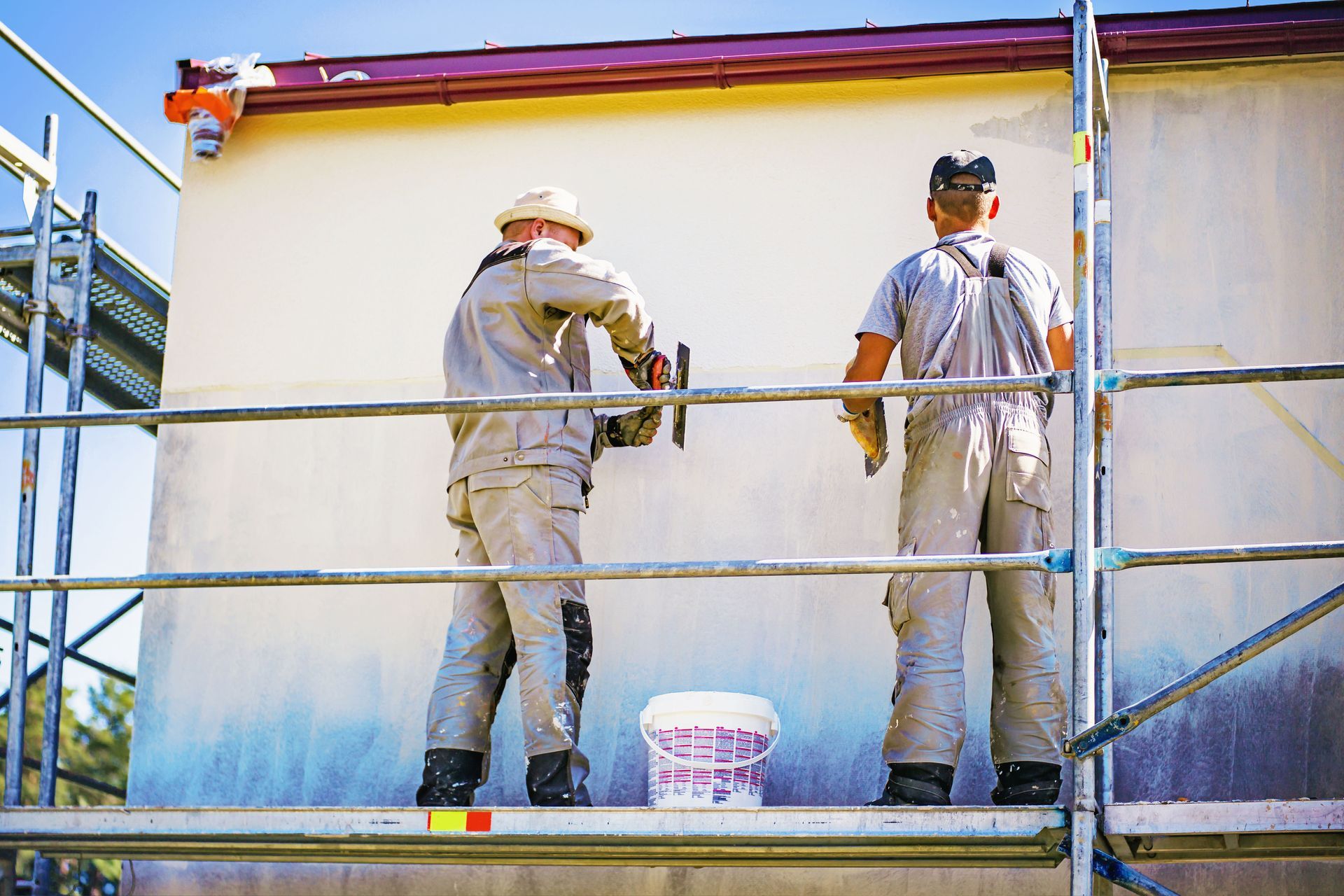
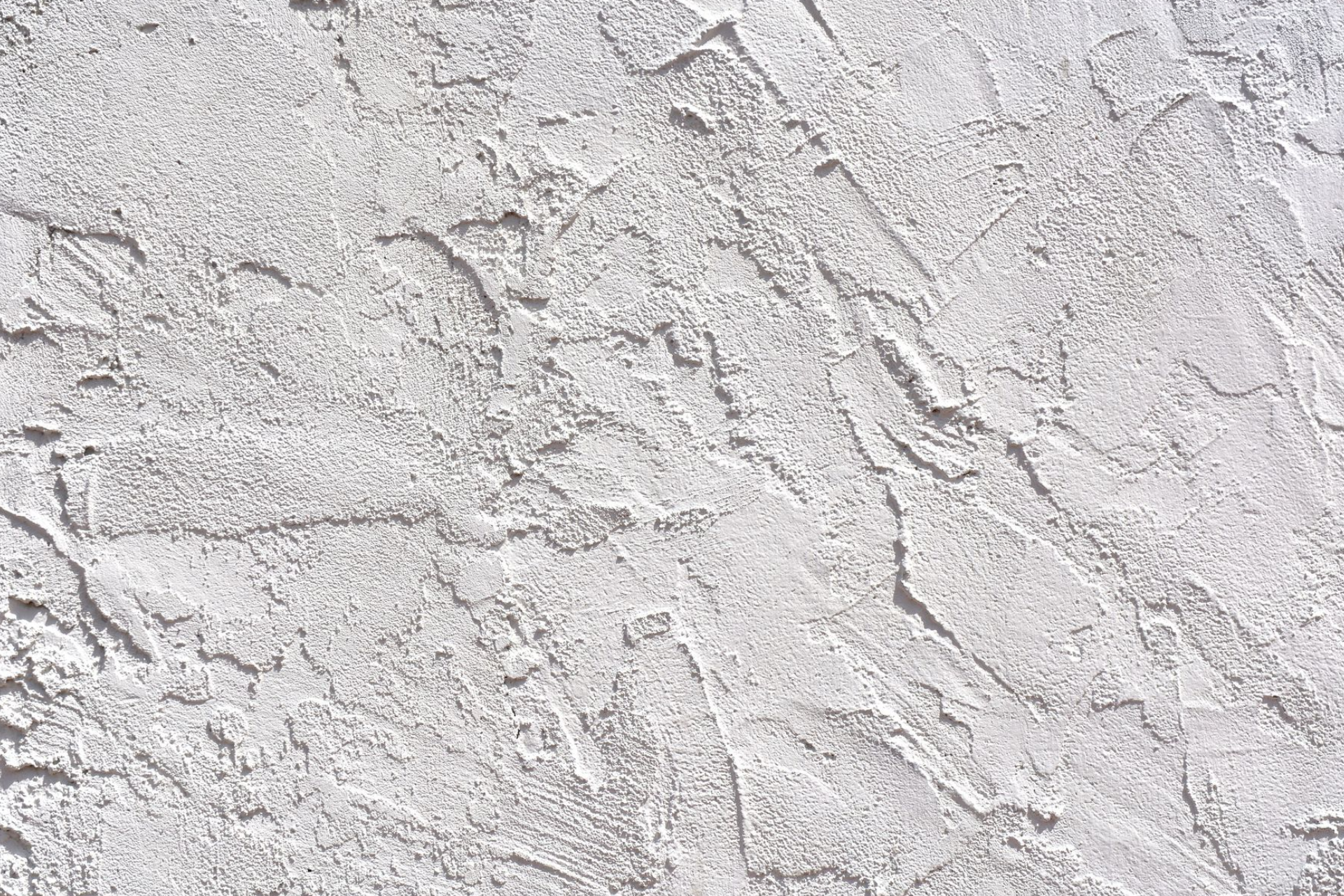
Commercial cladding projects carry inherent site risks, including severe weather disruptions, material supply chain delays, and technical installation errors. Environmental conditions heavily affect chemical curing times; according to WifiTalents, traditional stucco can take up to 28 days to cure entirely. Failing to account for such long cure windows distorts project schedules and leads to premature surface failures. Partnering with experienced local stucco contractors ensures that regional climate variables, moisture levels, and material cure times are accurately factored into the master schedule. Managing these risks proactively prevents expensive structural rework.
Adhering to local building codes and site safety standards is essential to protect construction crews and future building occupants. Regulatory compliance requires meeting fire resistance ratings, energy conservation standards, and structural load capacities. Strict safety protocols must be enforced to prevent job site accidents during elevated installation work. Early engagement with municipal building inspectors resolves compliance questions before work begins, preventing unexpected stop-work orders and keeping project timelines on track.
Exterior cladding profoundly impacts long-term building performance, directly affecting thermal efficiency, moisture management, and acoustic insulation. Choosing appropriate building envelope materials reduces heating and cooling costs by minimizing thermal bridging. Furthermore, engineered rainscreen designs prevent rainwater penetration, protecting the underlying structural frame from decay. These functional advantages highlight why realistic scheduling and uncompromising craftsmanship are vital during exterior envelope installation.
Initial Planning and Consultation
An effective cladding project begins with identifying and engaging all core stakeholders. This includes building owners, principal architects, structural engineers, general contractors, and specialized trade teams. Early consultations align expectations and establish a collaborative environment. Defining clear project goals early ensures that aesthetic ambitions match structural realities. Broad stakeholder alignment fosters operational trust and smooths project execution.
Feasibility studies evaluate project viability by analyzing financial, technical, and environmental parameters. These assessments identify structural load limits, site access restrictions, and regional material availability. Understanding these constraints enables project managers to select appropriate cladding materials and establish accurate labor schedules. Feasibility studies also determine whether existing building walls require structural reinforcement before heavy cladding systems are mounted.
Establishing clear, measurable project goals guides decision-making throughout the construction process. Objectives must balance architectural design choices with performance metrics, such as specific thermal resistance values or fire safety ratings. Clear specifications streamline material procurement and reduce design revisions during active construction. Defining core parameters upfront creates a solid foundation for disciplined site execution.
Accurate budget allocation is critical during initial project planning. Comprehensive cost estimates must account for raw materials, specialized installation labor, heavy staging equipment, and contingency reserves for site surprises. Financial planning must also establish clear payment schedules linked to verifiable installation milestones. Maintaining strict financial control prevents funding gaps that could stall site operations.
Developing preliminary schedules and milestone tracking guides the project from initial site prep to final handover. Schedules sequence site tasks, manage trade crews, and establish completion targets. Critical milestones act as quality control checkpoints, verifying that structural framing and weather barriers are fully approved before finish materials are applied. Factoring in cure times, such as the full 28 days required for traditional plaster applications, allows project managers to build realistic buffer periods into the master schedule.
Detailed Project Design and Specifications
Close collaboration between architects and structural engineers translates design visions into buildable construction plans. Architects focus on visual appeal, material textures, and panel configurations, while engineers verify load capacities and wind resistance. This interdisciplinary teamwork yields cladding systems that are visually striking, structurally sound, and code-compliant. Regular design reviews resolve structural conflicts before material fabrication begins.
Selecting appropriate building materials directly affects project costs, aesthetics, and site schedules. Material choices must reflect regional weather extremes, building use, and long-term maintenance requirements. While modern composite panels install rapidly, traditional exterior plaster finishes demand patient, multi-step application. Consulting with knowledgeable local stucco contractors during the design phase clarifies realistic application rates and required drying intervals, ensuring design choices align with project deadlines.
Detailed construction specifications act as a comprehensive roadmap for field installation crews. These documents define exact material grades, mechanical fastener spacing, flashing details, and quality tolerances. Precise specifications eliminate guesswork on-site, reducing installation errors and material waste. Detailed documentation also simplifies municipal inspections and ensures that trade contractors deliver consistent, high-quality work.
Modern cladding projects must balance environmental sustainability with visual appeal. Sustainable material choices, including recycled aluminum, fiber cement, and stone, reduce environmental impact while earning green building certifications. Aesthetic choices must complement surrounding structures and enhance the building's overall presence. Addressing these factors during the design phase ensures the finished building envelope is environmentally responsible and visually impressive.
Integrating innovative construction technologies improves installation efficiency and long-term building performance. Smart cladding systems with embedded environmental sensors monitor moisture levels and structural movement in real time. Prefabricated panel systems allow large envelope sections to be assembled off-site, drastically reducing field installation timelines. Embracing modern manufacturing techniques optimizes material usage and accelerates construction schedules.
Setting realistic timelines for heavy-duty cladding projects is essential to delivering durable, high-performance building envelopes on time and within budget. Understanding material curing requirements, managing site logistics, and enforcing strict quality control allows project leaders to navigate construction complexities effectively. Thoughtful interdisciplinary collaboration, proactive problem-solving, and continuous progress monitoring prevent costly delays. Ultimately, an accurate timeline does more than protect project schedules—it safeguards the financial investment, ensures structural integrity, and elevates the long-term aesthetic value of the development. By prioritizing thorough planning, clear stakeholder communication, and expert installation at every phase, building owners and project managers can seamlessly execute complex cladding installations while minimizing operational risk.
When you are ready to confidently plan your next commercial or residential exterior building project with accurate scheduling, clear interdisciplinary communication, and superior craftsmanship, rely entirely on our highly experienced team of professionals who consistently deliver exceptional, lasting results. Contact Stucco Done Right LLC today to schedule a comprehensive, no-obligation project consultation and establish a reliable, realistic construction timeline tailored specifically for your heavy-duty cladding needs.