October 2, 2026
Maintaining the structural integrity of your home requires a proactive approach to monitoring exterior barriers and internal framing against seasonal wear. Over time, environmental stressors such as freezing winter temperatures, spring rains, and blistering summer heat place continuous demands on your building envelope. Moisture intrusion represents one of the most stealthy threats to residential properties, often quietly compromising framing members, insulation, and wall cavities long before visible signs appear indoors. Establishing a bi-annual routine to carefully inspect your exterior finishes, drainage systems, and interior boundary walls allows you to spot minor deterioration early.
Evaluating Exterior Wall Finishes and Cladding Integrity
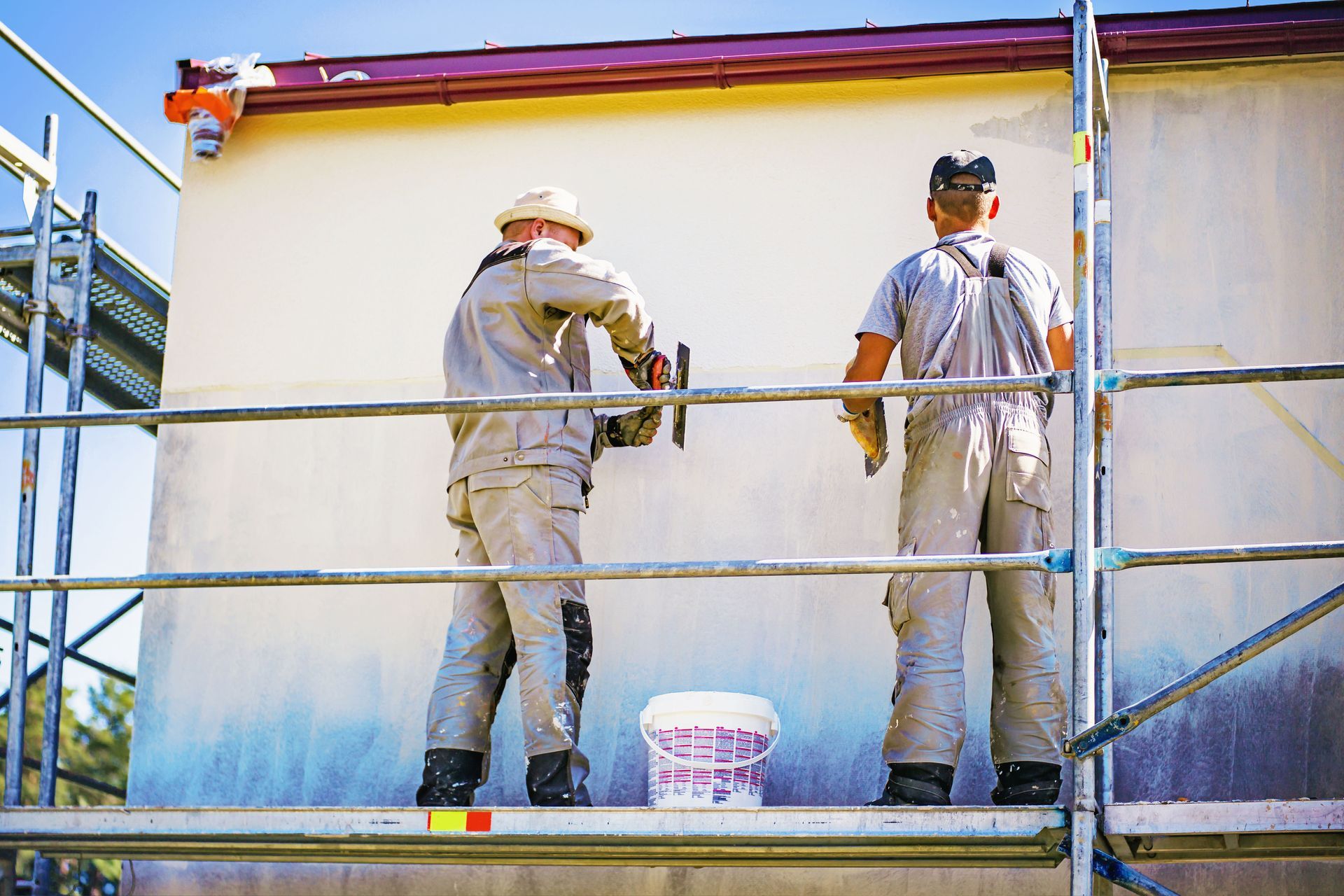
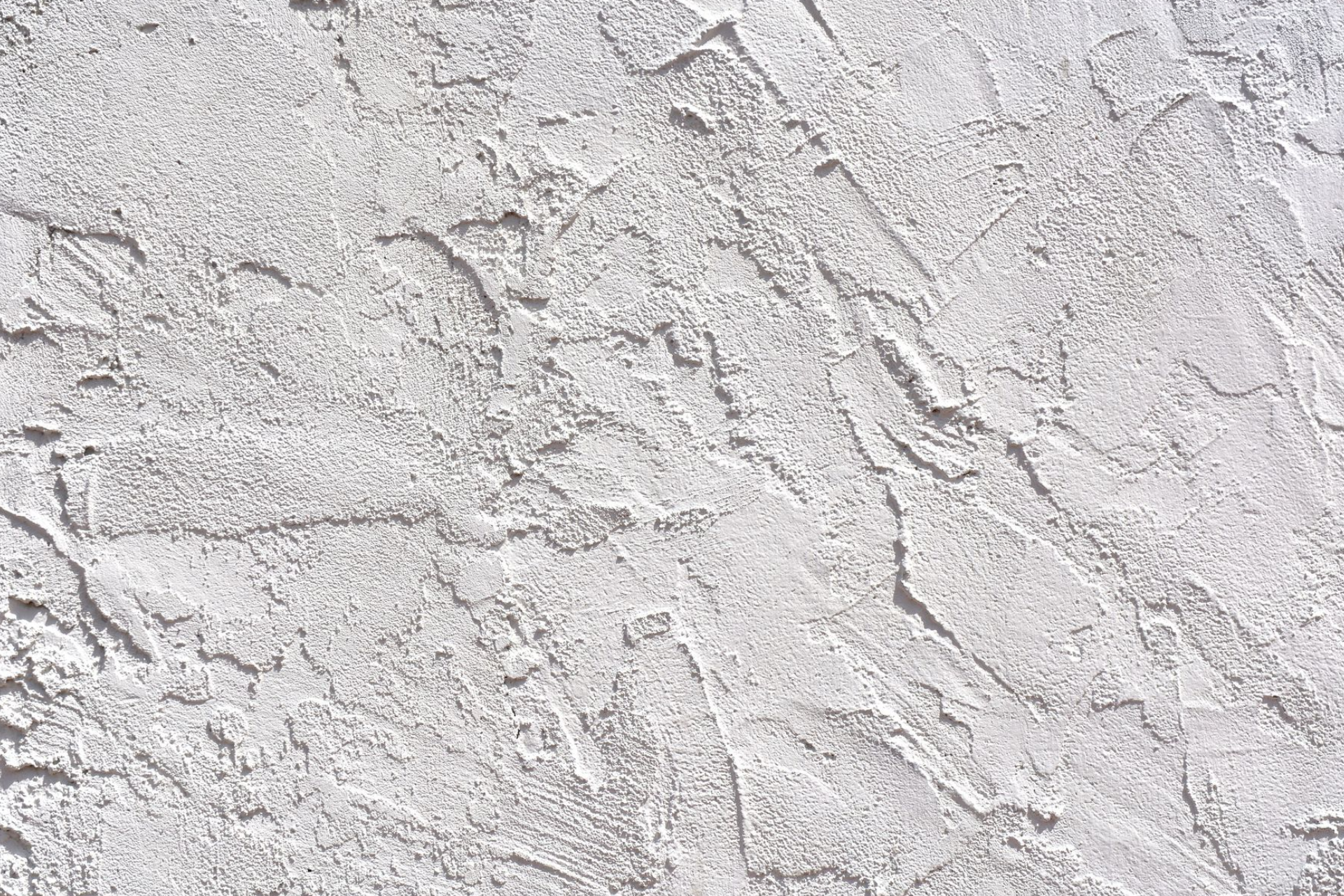
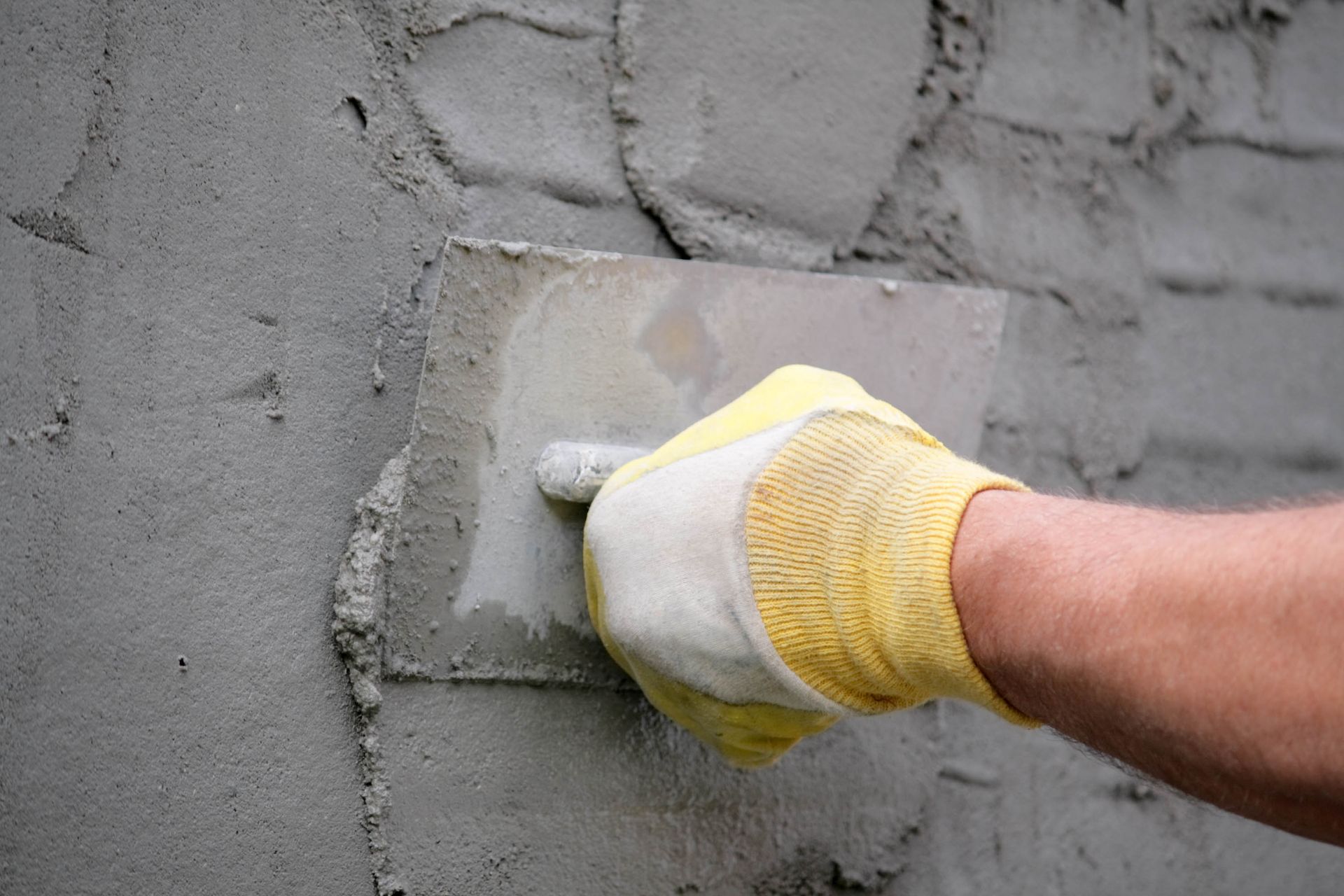
The exterior finish of your home acts as the primary defense against rain, wind, and ambient humidity. Over time, ground movement, thermal expansion, and weather exposure can compromise wall surfaces, creating subtle openings for moisture. According to HomeAdvisor, it is best to check your stucco every spring and fall to catch hairline cracks, stains, or damp spots before they snowball into pricey repairs. Examining exterior walls from the ground up helps reveal structural shifts or surface fatigue that require immediate professional attention. Missing sealant, crumbling render, or soft patches along lower wall sections indicate that water is settling into areas where it cannot easily evaporate. Scheduling timely local stucco repair ensures that vulnerable wall assemblies receive proper sealing before deep moisture reaches internal wood framing.
Inspecting Window Trims, Door Frames, and Perimeter Seals
Windows and exterior doors create necessary openings in your building envelope, making their surrounding joints prime targets for water infiltration. Over several seasons, caulk can harden, shrink, or pull away from frame borders, leaving gaps exposed to driving rain. Inspecting the top headers and lower sills of every exterior window helps identify failing flashings or decaying wooden trim. Water entering through neglected window borders often trickles down inside interior wall cavities, damaging insulation and drywall without immediately presenting surface stains. Identifying dried, cracked sealant around frames signals that it is time to refresh protective barriers and book local stucco repair to secure the surrounding masonry joints.
Examining Foundation Lines and Soil Grading Ratios
A stable foundation relies on dry, well-drained soil around the entire perimeter of your home. During seasonal inspections, observe how ground soil slants away from your foundation footings. Soil that has settled over time can slope inward toward the house, directing heavy rain runoff straight into basement walls or crawlspace vents. This constant hydrostatic pressure forces moisture through microscopic concrete pores, leading to efflorescence, horizontal wall cracks, and damp floor slabs. Keeping soil sloped properly away from perimeter walls keeps hydrostatic pressure low and reduces the likelihood of deep structural shifting. Correcting grading issues alongside professional local stucco repair along the lower foundation line protects structural stability year after year.
Checking Rooflines, Eaves, and Flashing Connections
Water always follows the path of least resistance, frequently entering at rooflines and traveling downward through internal wall framing. Bi-annual inspections should include looking up at roof edges, eaves, and valleys from ground level with binoculars. Damaged shingles, lifted metal flashing around chimneys, or rotted fascia boards allow water to bypass outer barriers entirely. Once moisture enters the roof decking, it can travel along rafters and seep into exterior wall cavities, destroying insulation and rotting wood studs. Identifying water stains under roof overhangs highlights the urgent need for upper-level building envelope maintenance. Addressing roofline leaks quickly while arranging local stucco repair prevents upper wall deterioration from spreading down the façade.
Clearing Roof Gutters and Downspout Discharge Zones
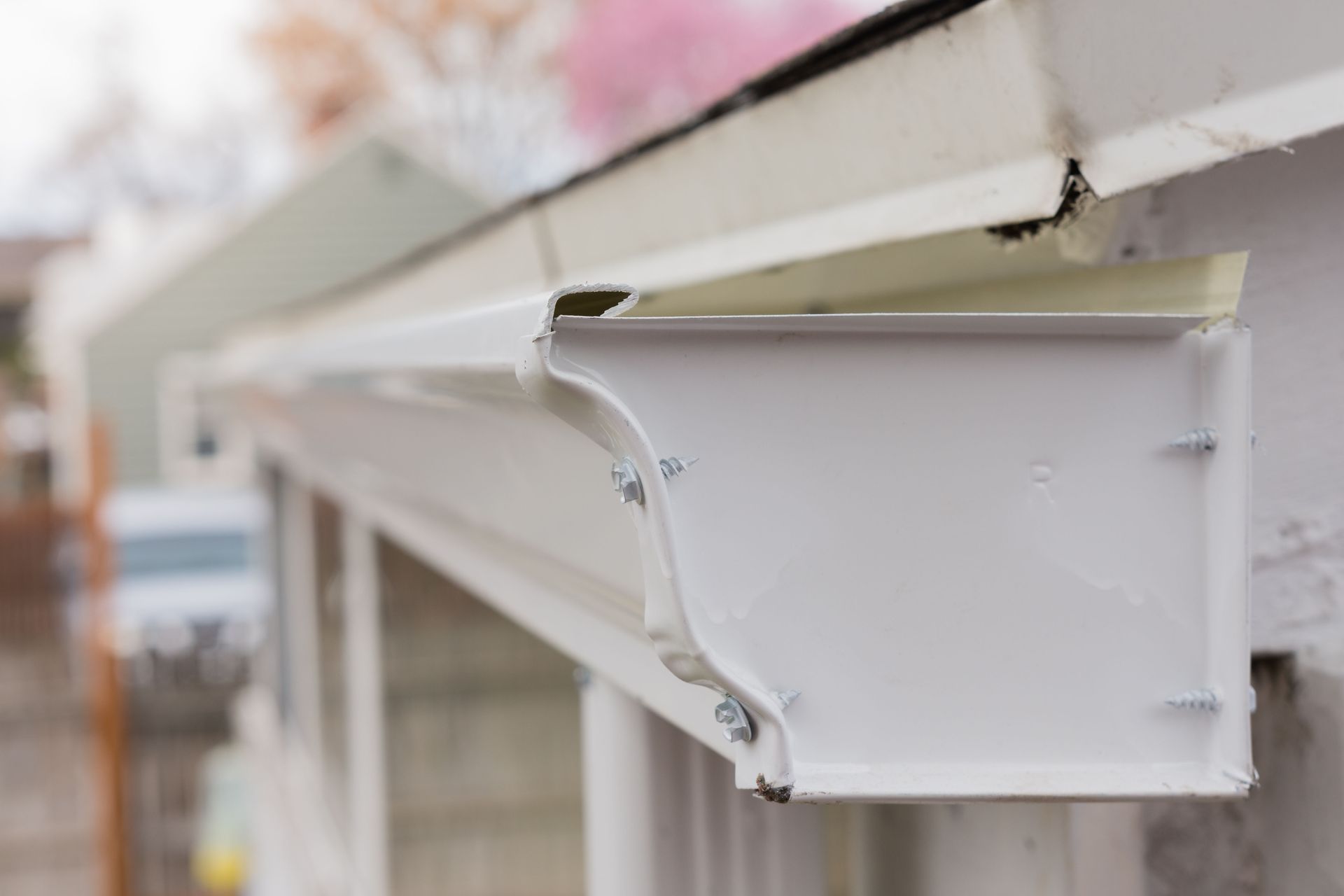
Gutter systems collect massive amounts of rainwater from your roof and channel it safely away from vulnerable foundation zones. When gutters clog with leaves, twigs, and organic debris, water overflows directly down the side of your home, washing over exterior wall finishes. Continuous water cascading down wall surfaces accelerates material erosion, dissolves protective sealers, and causes deep moisture retention. Downspouts discharging too close to the base of the house also pool water right where foundation footings meet exterior cladding. Ensuring downspouts extend several feet away from perimeter walls prevents soil saturation. Pairing routine drainage clearing with local stucco repair keeps your outer walls dry, sound, and fully protected.
Monitoring Interior Ceilings and Drywall for Discoloration
Interior visual checks provide vital clues about hidden moisture issues lurking behind finished surfaces. Yellowish-brown rings on upper-story ceilings, peeling paint along baseboards, or soft spots in drywall indicate active water penetration from external sources or plumbing leaks. When moisture trapped inside a wall assembly cannot dry out, it breaks down gypsum board and creates an ideal environment for hidden fungal growth. Ignoring small ceiling stains often leads to sagging drywall, ruined insulation, and compromised interior framing members over time. Spotting these interior warning signs should prompt an immediate external inspection to find the leak source. Securing necessary local stucco repair resolves the exterior breach before internal structural repairs become extensive.
Assessing Crawlspaces and Basements for Damp Conditions
Subterranean spaces are particularly vulnerable to moisture accumulation due to their direct contact with surrounding earth. During spring and fall checks, inspect crawlspaces and basement walls for musty odors, standing water, or white powdery mineral deposits known as efflorescence. Damp crawlspace environments weaken wooden floor joists, cause subflooring to warp, and allow humidity to migrate upward into living areas. Unchecked groundwater intrusion can slowly compromise foundation piers and load-bearing concrete walls over several years. Installing proper vapor barriers and sump systems mitigates subterranean dampness effectively. Coordinating foundation sealing with local stucco repair keeps ground moisture from wicking upward into above-grade wall structures.
Identifying Structural Wall Cracks and Masonry Separation
While hairline cosmetic cracks can occur as a building naturally settles, larger structural cracks demand careful, immediate evaluation. Diagonal step-cracks running through masonry joints or horizontal fissures across foundation walls often indicate uneven soil settlement or significant structural stress. When structural cracks open up, they provide a wide pathway for wind-driven rain to enter deep into the building core. Water freezing inside these cracks during winter months expands, breaking apart surrounding materials and worsening structural instability. Monitoring crack length and width biannually ensures you recognize active movement before severe damage occurs. Professional evaluation combined with precise local stucco repair seals open fissures and restores outer structural integrity.
Inspecting Porches, Decks, and Attachment Ledger Boards
Exterior attachments like decks, porches, and balconies interact directly with your home’s primary structural frame. The ledger board, which connects a deck directly to the house framing, must remain completely watertight to prevent hidden structural decay. Improperly flashed ledger connections allow trapped rainwater to rot structural rim joists, posing a major safety hazard to the entire attachment. During seasonal walks, inspect deck attachment points for soft wood, rusting fasteners, or pulled-away flashing strips. Ensuring water drains freely away from structural attachment zones prevents rot from creeping into main floor trusses. Timely flashing updates and local stucco repair around ledger connections maintain safe, long-lasting outdoor living spaces.
Evaluating Attic Ventilation and Roof Decking Conditions
Attic spaces play a critical role in managing temperature differentials and indoor moisture levels throughout the year. Poor attic ventilation allows warm, moist air from living spaces below to condense on the underside of roof decking during colder seasons. This constant condensation leads to wood rot, rusty fasteners, sagging roof rafters, and compromised ceiling insulation performance. Checking attic spaces twice a year for damp insulation, frost buildup, or dark wood staining helps ensure ventilation systems function correctly. Balanced soffit and ridge vents allow trapped humidity to escape before damaging structural roof members. Combining attic ventilation corrections with exterior local stucco repair provides total top-to-bottom moisture protection for your home.
Protecting your property against moisture intrusion and structural deterioration requires consistent seasonal vigilance and proactive property care. Conducting thorough bi-annual checks across your roofline, drainage systems, exterior walls, and interior boundaries allows you to spot minor vulnerabilities before they threaten your home's integrity. Taking quick action when you notice hairline cracks, damp basements, or failing sealants prevents small issues from escalating into major structural failures. Partnering with experienced trade professionals ensures that your building envelope remains resilient, dry, and capable of withstanding harsh environmental conditions year after year. If you have spotted surface cracks, damp spots, or exterior wall wear during your seasonal walk-through, reach out to Stucco Done Right LLC today to restore your home’s durability and exterior protection.