May 11, 2026
Protecting the exterior of a home is a primary concern for any homeowner, especially when dealing with specialized materials like stucco. This versatile finish has been a staple in architecture for centuries, prized for its classic look and rugged durability. However, maintaining that appeal requires an understanding of how the material behaves over time. From identifying early warning signs of moisture intrusion to implementing professional stucco repair, staying ahead of maintenance tasks is a great way to ensure the longevity of your property's envelope. This comprehensive guide provides the insights necessary to manage stucco surfaces effectively, ensuring they remain a beautiful and functional part of your home for decades.
Understanding Stucco Composition and Curing
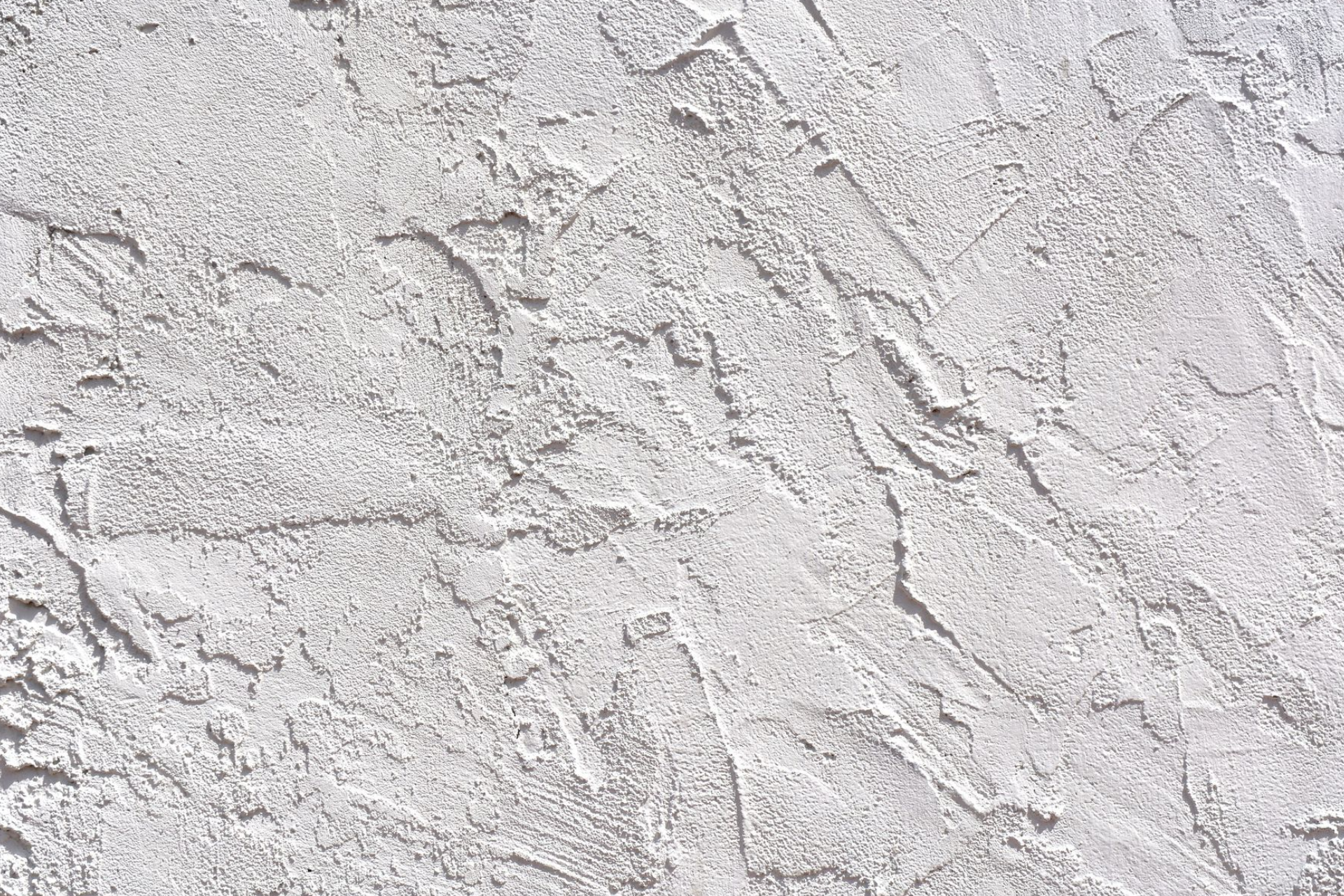
Stucco is an ancient building material with roots reaching back to the Roman Empire. Its enduring popularity is due to its unique composition of cement, lime, sand, and water, which creates a hard, breathable shell. This breathability is essential, as it allows moisture within the wall assembly to escape rather than becoming trapped and causing rot. However, the strength of the material depends largely on how it is handled during the initial application. According to WifiTalents, traditional stucco can take up to 28 days to cure entirely, a period during which the chemical bonds reach their full structural potential. Respecting this timeline is critical for any project involving a new application or extensive stucco repair.
Identifying Common Residential Stucco Types
In modern residential construction, homeowners generally encounter two main types: traditional cement-based stucco and synthetic alternatives. Traditional stucco is favored for its authentic texture and fire-resistant properties, while synthetic options, often referred to as EIFS (Exterior Insulation and Finish Systems), offer superior flexibility and insulation. Each type has specific maintenance requirements. Synthetic finishes are less prone to cracking but can be more sensitive to improper moisture management, whereas traditional cement finishes are exceptionally tough but may develop hairline fractures over time due to house settling.
Assessing Environmental Impacts on Durability
Environmental factors are the primary drivers of exterior wear. Stucco is a porous material, meaning it reacts to the world around it. In coastal regions, salt air can accelerate the degradation of the finish, while in northern climates, the freeze-thaw cycle can put immense pressure on the material. When water enters a small crack and freezes, it expands, widening the gap and leading to further damage. Understanding these regional challenges allows homeowners to better prepare their exteriors through proactive sealing and inspections.
Identifying Signs of Wear and Damage
Identifying the early signals of wear is the most effective way to avoid a full-scale restoration project. Homeowners should keep a watchful eye for surface cracks, which can range from minor cosmetic fractures to deep crevices that suggest structural movement. Another red flag is discoloration or staining, particularly near windows and doors. These dark streaks often indicate that water is not being diverted correctly by the flashing, leading to wicking where the stucco absorbs the water. If you notice bubbling or blistering, it is a sign that the finish is delaminating from the substrate, usually due to trapped moisture.
Evaluating Weather-Related Surface Impact
Weathering is an inevitable part of a home's life cycle. Ultraviolet rays from constant sun exposure can make older stucco brittle, reducing its ability to expand and contract with temperature changes. Heavy wind-driven rain can test the limits of the home's sealants. When these environmental pressures combine with aged materials, the result is often a breakdown of the protective barrier. Regular monitoring after major storms is a prudent habit for any property owner.
Detecting Water Damage and Mold
Water is the primary enemy of a stucco exterior. Because the material is meant to breathe, it must be supported by a robust drainage plane behind it. If this system fails, mold and mildew can begin to grow within the wall. Signs of this include a musty odor near the walls or persistent dampness on the interior drywall. Because these issues occur behind the visible surface, they can go undetected for months. If you suspect moisture has breached the exterior, seeking professional stucco repair is necessary to prevent structural rot.
Implementing Effective Repair Techniques
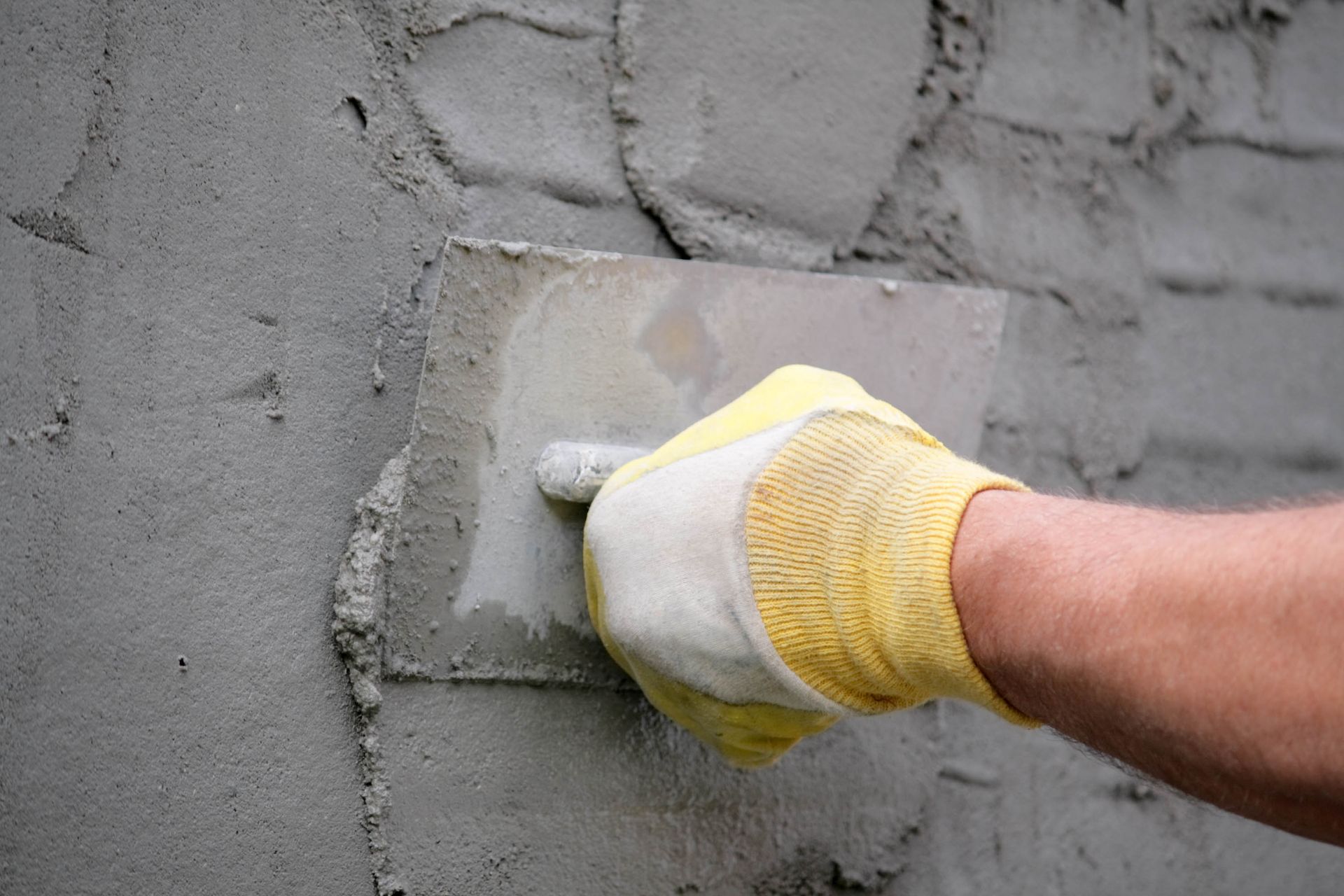
Minor cracks are often the first sign that a home needs attention. While they may seem purely aesthetic, even a hairline fracture provides an entry point for water. Professional techniques for addressing these issues involve cleaning the crevice to remove loose debris and applying a specialized patching compound that mimics the texture of the original finish. This not only restores the visual appeal but also re-seals the envelope against the elements.
Handling Large-Scale Structural Damage
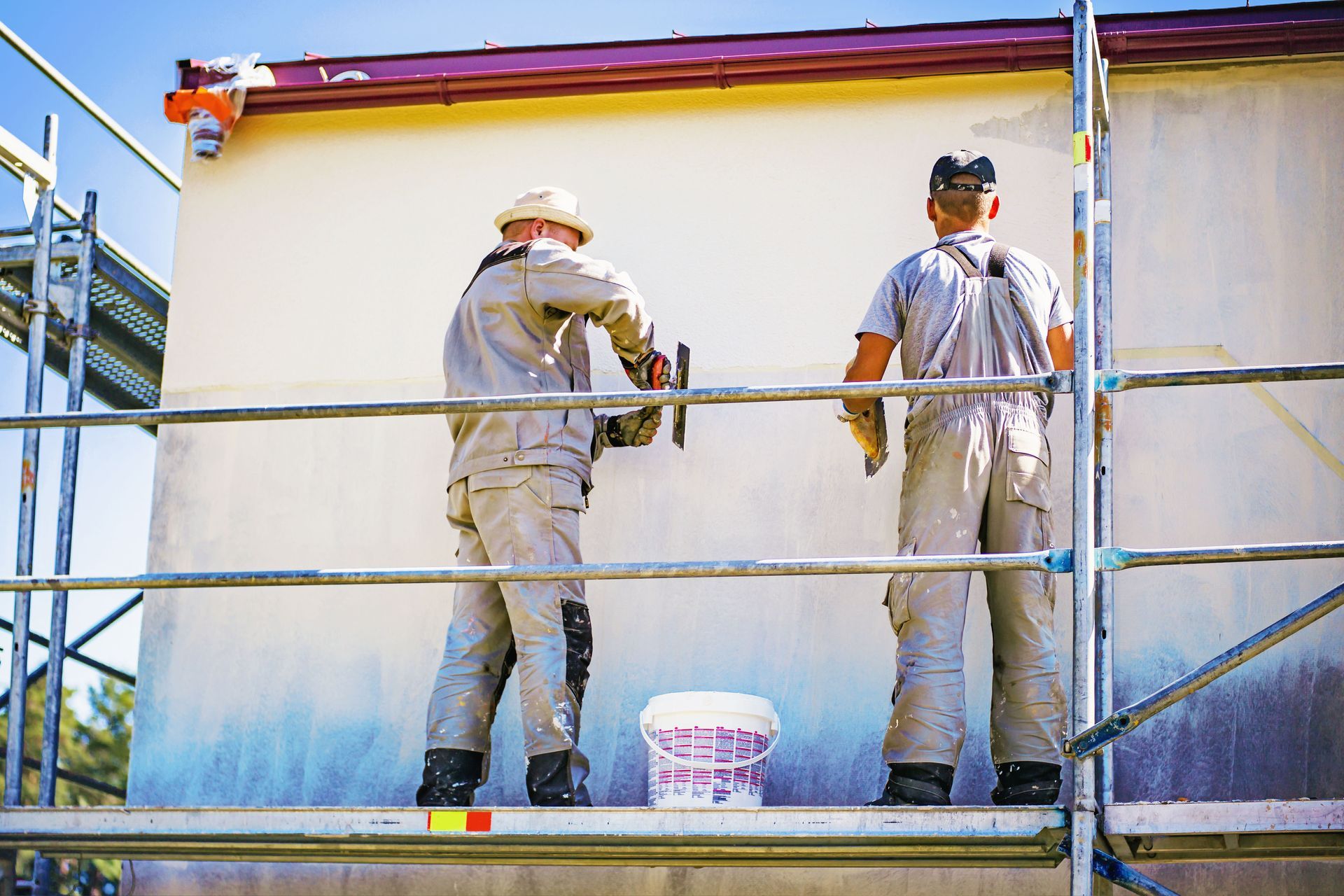
When damage extends across large sections of a wall, a more comprehensive approach is required. This process typically involves removing the compromised material down to the lath or substrate to inspect for underlying rot. Once the area is cleared and the drainage plane is restored, new layers of stucco are methodically reapplied. This multi-coat process ensures that the new material bonds perfectly with the old, creating a seamless and structurally sound result.
Match-Coloring for Aesthetic Consistency
One of the greatest challenges in stucco repair is achieving a perfect color match. Because stucco fades over time due to sun exposure, a fresh batch of the original color will often stand out as a dark patch. Professionals overcome this by utilizing custom-tinted topcoats or elastomeric paints that unify the appearance of the entire wall. This attention to detail ensures that the repair is virtually invisible, preserving the home's curb appeal and architectural integrity.
Executing Long-Term Protection Strategies
Consistency is the key to longevity. A simple annual cleaning with a low-pressure garden hose can remove dirt and pollutants that might otherwise degrade the surface. During this cleaning, homeowners should perform a 360-degree walk-around to check for new cracks or signs of pest intrusion. By catching these issues early, the cost of maintenance remains low, and the structural health of the home remains high.
Applying Protective Sealants and Coatings
Modern coatings have revolutionized stucco protection. Acrylic and elastomeric coatings provide a flexible, waterproof barrier that bridges small cracks as they form. Unlike traditional paint, these coatings allow the stucco to remain breathable while preventing liquid water from soaking into the surface. These treatments are an excellent investment for homeowners looking to reduce the frequency of stucco repair and enhance the weather resistance of their property.
Partnering With Professional Contractors
Because stucco is a specialized material, it requires a specialist's touch. When selecting a contractor, it is essential to look for a team that understands the nuances of curing times, material compatibility, and moisture management. A qualified professional will be licensed and insured, providing peace of mind throughout the project. They will also be able to provide a clear timeline, respecting the fact that quality work cannot be rushed if the material is to reach its full strength.
Utilizing Expert Assessments for Planning
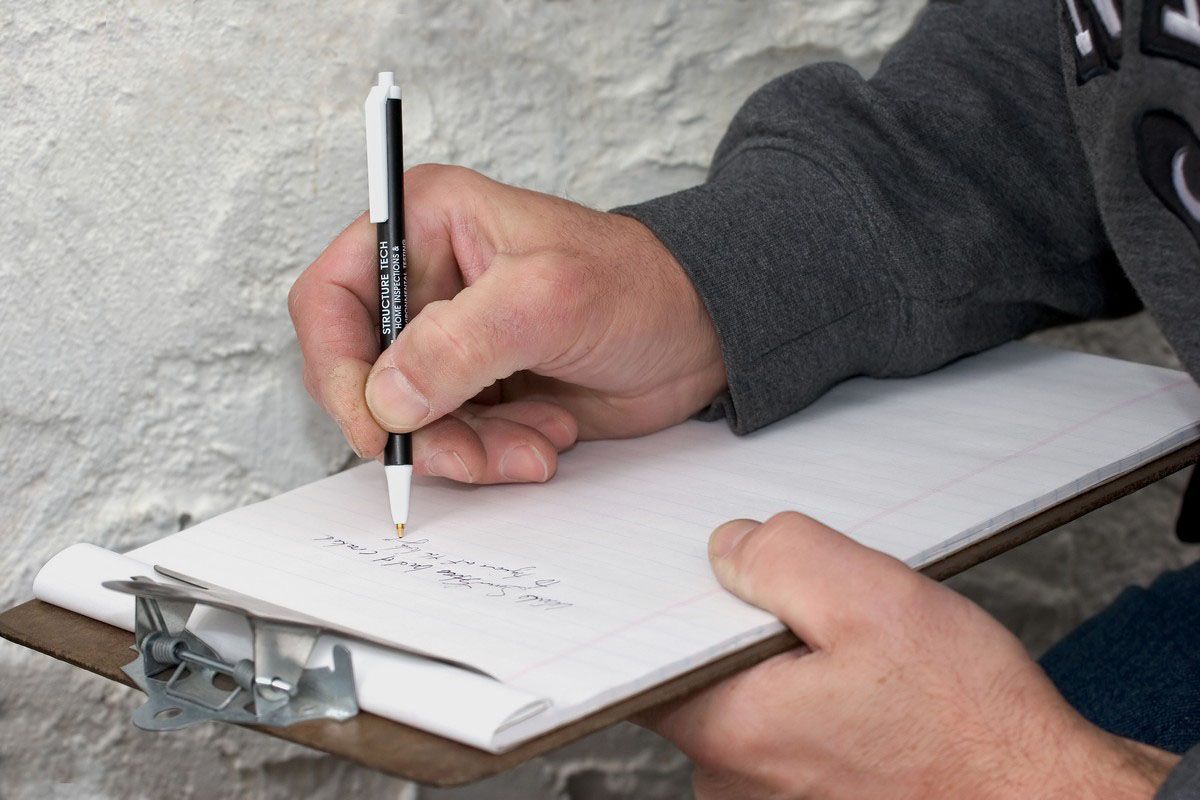
A professional assessment is the foundation of any successful restoration. Experts can utilize moisture meters and thermal imaging to see what is happening beneath the surface, identifying problems that are not yet visible to the naked eye. This data-driven approach ensures that the stucco repair addresses the root cause of the issue rather than just the symptoms. For homeowners, this means a more durable result and a better return on their investment.
Maintaining a stucco home is a commitment to preserving a piece of architectural history. By understanding the curing process, identifying the early signs of moisture damage, and implementing strategic protection measures, you can ensure your home remains a sanctuary for generations to come. Proactive care is always more cost-effective than reactive restoration, making regular oversight a vital part of homeownership.
If you have noticed cracking, staining, or bubbling on your exterior, do not wait for the problem to escalate. At Stucco Done Right LLC, we bring over 100 years of combined experience to every project. We are a locally and family-owned company that is fully licensed and insured, providing a 2-year labor warranty and a 2-year material warranty on our work. Whether you need an annual inspection or emergency stucco repair services, our team is dedicated to excellence. Contact us today to schedule your assessment and ensure your home's exterior is handled with the expertise it deserves.